Learn How to Safely Respond When Trauma or Intense Emotion Surfaces
A trauma-aware facilitation training for coaches, teachers and facilitators, so you can keep people safe when emotion surfaces, know exactly what’s yours to hold, and know when to refer on. Taught with a clinical psychologist.
BECOME A TRAUMA-AWARE FACILITATOR$120 · one-time, lifetime access
SELF-STUDY · SHORT BITE-SIZED LESSONS · LIFETIME ACCESS · TAUGHT WITH A CLINICAL PSYCHOLOGIST · CPD-ACCREDITED

ACCREDITED & APPROVED BY



You hold space for people, in a class, a session, a workshop. And you’re good at it.
But there’s a moment you may have braced for. Someone’s breathing changes. Tears come. Something big surfaces in the room, and for a second, you’re not sure what to do. Do you keep going? Pause? Say something? Could you make it worse?
That flicker of “I hope no one breaks open today”, that’s the gap this training closes.
And if you’re not holding space for others yet, if you’re simply drawn to understanding trauma, for your own life or out of care for the people around you, you’re just as welcome here.
“Trauma-informed” is on every website now. The words are easy; being trained to actually hold it is not.
Somewhere along the way, two unhelpful ideas took hold: that you’d need years of clinical training to be safe with trauma, or that a line in your bio is enough. Neither is true.
You don’t have to become a therapist, that’s a different job, and a vital one. But you do need real, practical training in what to do when something surfaces. And that is a learnable, teachable thing.
At some point, you will touch something tender in someone. That’s not a failure, it’s the nature of holding space. What matters is knowing what to do when it happens.
People can feel the difference between a space that’s actually safe and one that only says it is
When someone’s vulnerable, a clumsy response, a push, a platitude, a freeze, can do real harm.
Knowing what to do isn’t a nice-to-have. It’s the foundation of being someone people can trust with the tender, unfinished parts of themselves.
Simply drawn to understanding trauma, for your own life or out of care for the people around you, you’re just as welcome here.
Picture that same moment, emotion surfacing in your space, and this time, you don’t freeze
You know how to stay steady, keep the person safe, hold the space without overstepping, and see clearly when and how to refer on. You recognise the signs earlier. You trust yourself.
That steady confidence changes how you show up for everyone you work with, because you’re no longer holding your breath, hoping nothing hard comes up.
What you'll cover
Five topic areas, delivered across three modules of short, bite-sized lessons, self-paced, taught by Rachel & Lucy alongside clinical psychologist Lic. Begoña García, who leads the trauma theory.
What trauma actually is
“Not what happened to you, but what happens inside you”; trauma aware/sensitive vs informed vs trained; the types of trauma; the Trauma Spectrum; and trauma in children.
Stress, the nervous system & the brain
The stress cycle, the three brains, Polyvagal Theory (fight, flight, freeze, shutdown and fawn) and the Window of Tolerance, so you stop villainising activation and learn to widen people's capacity.
Trauma-aware facilitation
Your scope of competence, and clear, practical protocols (with actual scripts) for meeting a trigger, an emotional release or a reactivation, and how to refer on well.
Creating safer spaces
Being regulated and resourced, power dynamics, boundaries, consent and touch, invitational language, encouraging autonomy, and inclusivity.
Responding in the moment
Recognising the signs, and a simple regulation “ladder” of supportive breath, movement and meditation practices for both under- and over-activation, all within your scope.
On completion: when you complete the training, you'll receive your CPD-accredited certificate.
A word on scope
To be clear: this makes you trauma-aware, not a trauma therapist. It never asks you to treat or process someone's trauma. You'll learn to create safer spaces, respond supportively in the moment, recognise what's beyond your role, and refer on with confidence, knowing exactly where your work ends and a specialist's begins.
MEET YOUR FACILITATORS
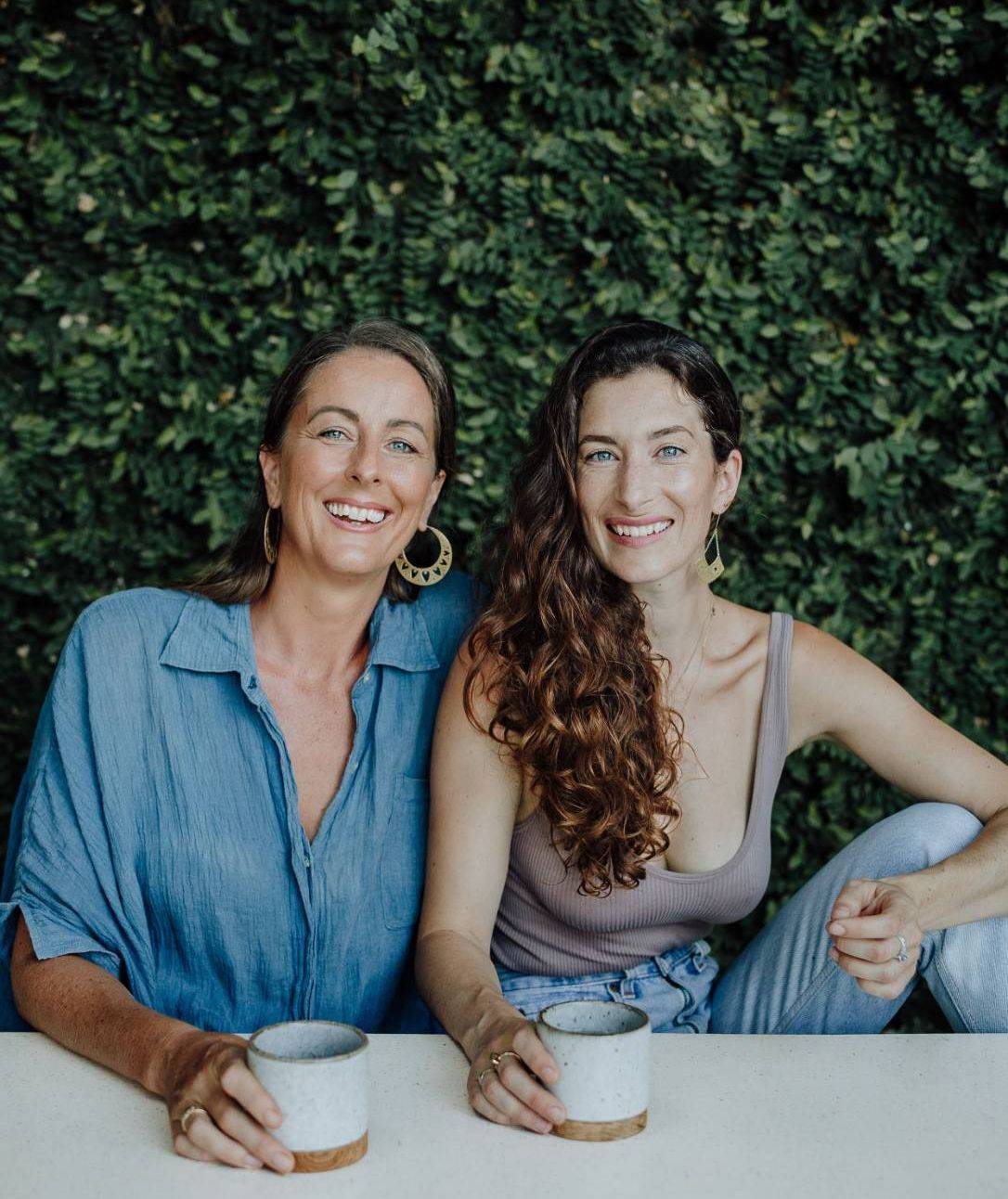
Rachel & Lucy
Rachel & Lucy, co-founders of The Whole Health Project, published authors of Somatic Practices for Trauma, and your guides across all our trainings.
Read our full story on the About Us page →
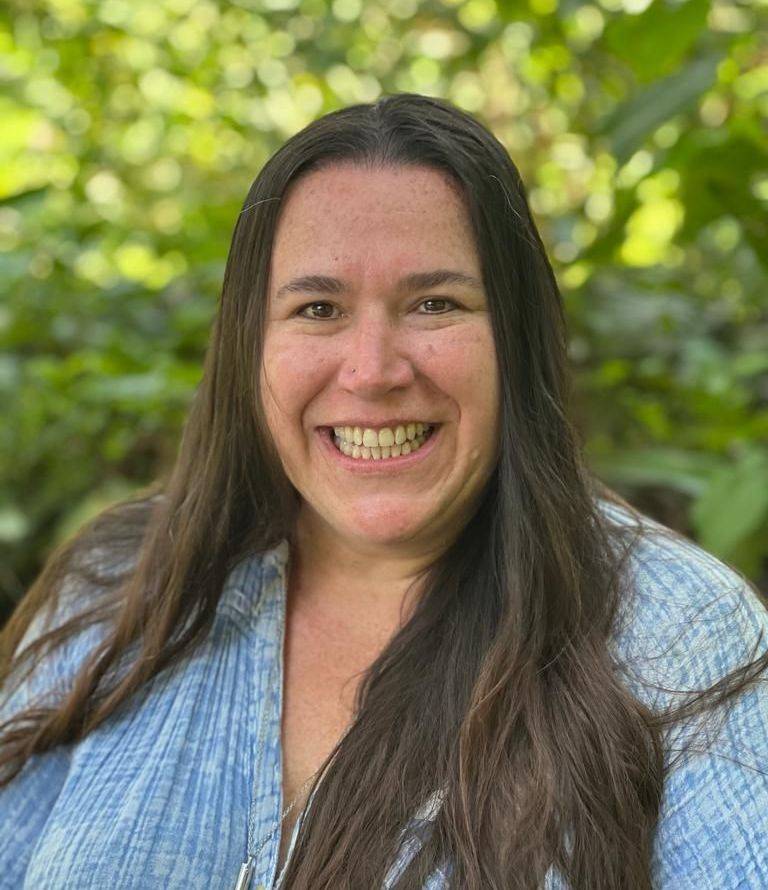
Lic. Begoña García, clinical psychologist
Begoña leads the trauma theory in this training. A clinical psychologist from Costa Rica, she blends psychotherapy with her work as a breath coach and mindfulness leader, and is passionate about breaking down the stigma of trauma, so there’s more support and empathy, for individuals and whole communities. She works with clients through her private clinic, workshops and mental-health retreats with Adentro Mindfulness, and is dedicated to helping practitioners recognise the signs and impact of trauma.
Learn more about Begoña →
What our students say
“I'd had students react in ways I didn't fully understand, moments where I felt unsure of what to say, and left feeling under-equipped. This helped me approach those moments with more clarity and compassion. I now feel more grounded, resourced, and aware of my scope as a facilitator.”
Melody
“I feel more prepared as a coach, with greater empathy for my clients and students, and better able to support them. I'm already using what I learned.”
Claudia Urdaneta
“It's given me the confidence to work with some populations that had previously felt intimidating, because I didn't feel I knew how to support them properly.”
Erin
“As someone who never wanted the responsibility of such a heavy topic, this felt like the most beneficial way to help people, the methods are gentle and supportive.”
Kerry Ann
Taught with a clinical psychologist, and drawn from the trauma-aware foundation inside all our trainings, with over 2,000 practitioners trained across TWHP.
Why practitioners choose this
- ✓Taught with a clinical psychologist, real depth behind the accessibility.
- ✓Practical, not academic, it's about what to actually do, not theory for its own sake.
- ✓Accessible & affordable, no clinical background needed, and it won't break the bank.
- ✓Fits around your work, self-paced, lifetime access.
- ✓A trusted foundation, it's the exact trauma-aware layer built into all our practitioner trainings.
The best of both worlds
No cohort to keep pace with, and no window you have to finish inside, you take it at your own pace, with lifetime access (and if we ever retired it, you'd still have six months from that point to certify). And you're not on your own: there's a private community where you can ask Rachel or Lucy whenever something comes up. Freedom to fit it around a full life, with real people to ask when you need them.

The investment
Everything you get:
- ✓Lifetime access, self-paced, watch and revisit in your own time
- ✓A certificate on completion
- ✓A private community to ask Rachel or Lucy your questions
- ✓CPD-accredited (10 hours), Yoga Alliance (YACEP), and NASM & AFAA approved (0.8 CEUs)
- ✓No prior training needed
What it all adds up to
- Trauma Aware Facilitation Training (10 hrs), co-created with a licensed clinical psychologist
- $250
- Private community (ask Rachel & Lucy)
- $150
Total value ≈ $400. Yours for just $120.
Want it for free?
This training is included in full with every one of our practitioner trainings, so if the Breath, Meditation, Yin or Somatics training is on your radar, you'll get this inside it. Explore the trainings →
Is this for you?
This is for you if you're a yoga or movement teacher, breathwork or meditation facilitator, coach, healer, or anyone who holds space for others, and you want to do it in a way that's safe when something hard comes up. It's also for anyone simply drawn to understanding trauma, to dip a toe into the field, or to make more sense of it in their own life.
What this training is not
It isn't a clinical or therapy qualification, it won't teach you to treat or process trauma, and it's not a heavy academic slog. It's a practical, human foundation in holding space safely.
FAQ's
What's the difference between trauma aware, sensitive, informed and trained?
“Trauma trained” usually means extensive clinical training (a psychologist or psychotherapist). “Trauma aware” and “trauma sensitive” mean you've had foundational training in what trauma is and how to hold a safer space, which is exactly what this gives you. “Trauma informed” sits in between, with a deeper, applied level of knowledge.
Does this qualify me to treat people with trauma?
No. It gives you a real, working understanding of trauma and how to create a trauma-aware space, and helps you see how to work alongside a client's therapist where needed. It doesn't train you to take someone through their healing process.
Who is this for?
Yoga and movement teachers, coaches, breath and meditation facilitators, healers, anyone who holds space, and also anyone who's simply curious about trauma and wants to understand it better.
I've already done (or plan to do) another TWHP training, do I need this?
It's included free in our Breath, Meditation, Yin and Somatics trainings, so if you have or plan to take one of those, you already have it.
Do I need any background?
None, we start from the fundamentals.
Do I need to speak English?
Yes, the training and the quiz are delivered in English. If English is your second language, you're very welcome; we don't expect perfection, but you'll need to understand and read English well enough to take part fully.
How do I get certified?
Work through the short training, filling in the reflection forms as you go, then complete a brief quiz at the end to show your understanding, and you'll receive your CPD-accredited certificate.
This is how you learn to meet all of it, safely
The people you work with are already bringing their whole selves into your space, the ease and the tender, unfinished parts.
We’d love for you to join us.
BECOME TRAUMA AWAREWith love,
Rachel, Lucy & Begoña
Ready to go further? The Trauma Aware Facilitation Training is built into every one of our full teacher trainings, you can take it on its own here, or as part of a training. Explore our trainings →