Some things can’t be talked through. They have to be felt through.
Learn to safely integrate somatic techniques into your coaching, therapy or movement practice, without committing to years of training.
A trauma-aware, CPD-accredited training in somatic facilitation, practical from your very first session, and built to fit around the work and life you already have.
BECOME A SOMATIC FACILITATOR$1,299 · or from $249/month
★★★★★ Trustpilot ★★★★★ Google
SELF-STUDY, START ANY TIME · TRAUMA AWARE · DIRECT ACCESS TO YOUR FACILITATORS · CPD ACCREDITED
“I've been doing somatic psychotherapy for a while, and just wanted a fresh perspective. I love the course, and I'm easily bringing it into my work with clients.”
A student · somatic psychotherapist“An amazing course, I loved our live meetings, and the spaciousness of it decreases that old evaluative stress.”
A student

CPD-accredited, plus Yoga Alliance (YACEP) and NASM & AFAA continuing education.
You keep meeting the same edge
You’ve been holding space for people for a while now. As a therapist, a coach, a yoga or movement teacher, you’re the person others come to, and you’re good at what you do.
And you keep meeting the same edge. The talking, the insight, the understanding carries someone so far, and then stops. What they’re really holding seems to sit underneath the words, in the body. You can feel it in the room.
You’ve probably started reaching for it already, slowing things down, noticing a held breath, inviting someone to feel their feet, and watched something settle that no amount of talking had reached.
You want to go further with it. You just haven’t been sure how to do that safely, or whether you’re even “allowed” to, without disappearing into a training you can’t fit into your life right now.

The belief that keeps good practitioners stuck.
Here’s the belief that keeps good practitioners stuck: that to bring the body into your work properly, you have to commit two or three years and many thousands of dollars, on a fixed cohort’s timetable, and if life gets in the way, you lose the window, or the money, or the certificate.
There’s real value in those longer paths, and for some people they’re exactly right. But being ready to do this work well was never about how long you studied or how much you paid. And you shouldn’t have to put your life, or your finances, on hold to learn to hold the body safely.
That’s the gap we built this for.
Somatic work is everywhere right now, and people can feel the difference between a facilitator who’s been trained to hold it and one who’s improvising.
When something big surfaces for someone, a wave of emotion, a memory held in the body, the wrong move, a push, a cue that goes too far, a moment missed, can do real harm. Knowing how to keep someone safe isn’t the careful, boring part of this work. It’s the whole foundation of being trusted with it.
At the centre of everything we teach is one principle
Integration, not catharsis.
So much body-based work chases the big release, pushing for catharsis, treating the loudest moment as the measure of progress. It can feel powerful in the room and change very little by the next morning. Lasting change doesn’t come from forcing more than a nervous system can hold; it comes from gently growing its capacity, so that whatever surfaces can actually be integrated, not just survived.
So instead of pushing, you learn to work with the body from the bottom up: meeting someone exactly where they are, staying inside what they can tolerate, and letting change happen a little at a time, so it actually stays.
None of this means the tears or the big waves never come, sometimes they do, and that’s completely okay. It simply means we’re not chasing them, or treating them as the proof that something worked.

We teach this through a framework we call
SAFER
It isn't a formula you apply the same way to everyone. It adapts to the person in front of you, which is exactly what makes it safe.
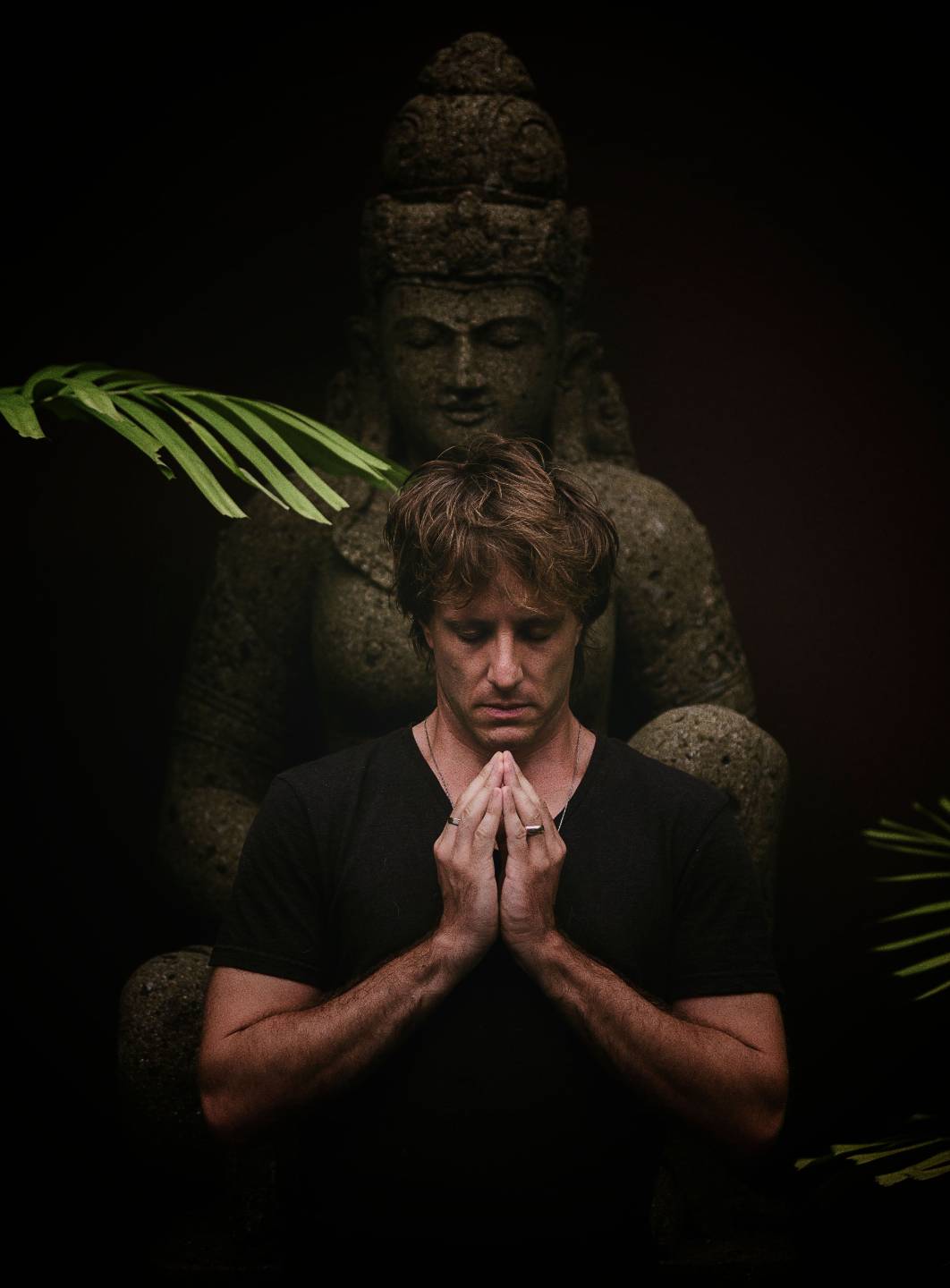
A facilitator people feel truly safe with
Picture sitting with someone as the words run out, and knowing, in your own body, how to meet them there. Guiding them back toward a sense of safety, one small step at a time, without ever tipping them past what they can hold.
Picture bringing this into the classes you already teach, or opening the 1:1 work you’ve been drawn to, steady, resourced, clear about where your work ends and someone else’s begins, and without overwhelming your own nervous system to hold theirs.
That’s who you become here: a facilitator people feel truly safe with, doing the deeper work in a way that’s sustainable, for them, and for you.
What's inside
Twelve in-depth modules
With a trauma-aware foundation running through all of it. It's self-study, so you move at your own pace, and each module is built the same way: understand it, practise it in your own body, then learn to guide it for someone else. Students tell us the same thing again and again: it's clear, and you can use it straight away.
Foundations & Philosophy
What somatics really is, top-down vs bottom-up healing, and why catharsis doesn't create lasting change
Facilitation Fundamentals
Resourcing, holding space, titration and pacing, and working within the window of tolerance
The Somatic Landscape & Processing Styles
Reading resistance, the three stages of witnessing, and the Locate–Explore–Witness process at the heart of a session
The Unshaming Path & Creating Space
Language that unshames, the intelligence behind “symptoms,” and letting go of the myth of “healed”
Expanding Somatic Capacity
Starting small, working within a person's range, and growing it safely
From Story to Body
Consent, the therapeutic relationship, and bridging what someone says into what they feel
The Breath
Breath as a supportive tool for grounding and regulation (capacity over catharsis), held ethically
Energetic Ranges & Resourcing
Reading and working within someone's energetic range, and resourcing them to steady and settle the system
Tapping & Touch
Point-based regulation, bilateral tapping, and clear, safe boundaries around touch
Sacred Fire
Meeting anger as intelligence (not a secondary emotion), and facilitating its expression safely
Parts Work
Working with the different parts of us, each with a positive intent
Psychosomatics
The roots of old patterns, explored as inquiry, never diagnosis
Plus a bonus module
Somatic Shadow Work
Going gently into the parts of ourselves we tend to keep hidden, as inquiry and integration.
Woven through all of it
A 10-hour Trauma Aware Facilitation Foundation, so you can meet whatever surfaces, plus clear guidance on your scope of practice. That's 70 hours of training in total: 60 hours of somatics + the 10-hour Trauma Aware Facilitation Foundation.
You'll also get
- ✓Fortnightly live calls with Rachel & Lucy
- ✓A private practitioner community
- ✓A library of scripts, session tools and intake forms you can use straight away

Somatic facilitation, not psychotherapy
This is a training in somatic facilitation, not psychotherapy. It makes you a safer, more skilful guide, and it’s honest about its edges. You’ll learn what’s yours to hold, what isn’t, and how to refer on with confidence. If you’re already a therapist, it gives you body-based tools to bring into your work. If you’re not, it never asks you to be one.
SIGN ME UPWhat our students say
2,000+
Students trained across our trainings
We've trained over 2,000 students across our trainings, and because we teach the people who go on to hold others, it reaches so much further.
“I finally understand how to show up in a session even when I'm not perfectly regulated. I can settle well enough to hold it, and it doesn't mean disowning any part of me, just managing it better. Doing 30+ practice sessions with real clients boosted my confidence enormously.”
Nikolina Đukić“I no longer work from a heady, intellectual space. This course has given me the confidence to invite movement into my therapy room and my group spaces, and it helps clients process and explore through their wise bodies.”
Joanna Waddell · Psychotherapist“The unshaming lessons were huge for me. My window of tolerance has improved, and my nervous system feels more settled. I'm starting to offer a somatic class on my studio schedule now.”
Cathy Struecker“It's given me the confidence to work in and out of the modalities I'm trained in. It has real bridging qualities.”
A graduate · 25+ years in practice“As a psychotherapist, I'm loving the new language for becoming more of a witness. Participating in another person's body language is such a delightful experience, there's so much wisdom there, and it's surprised us both in session, in very transformative ways.”
A student · Psychotherapist“I've been shifting profoundly with each module. Each time I listen, the words feel like exactly what I need to hear, changing how I see myself, and how I move forward in my coaching practice. So beautiful.”
A student · CoachWhy students choose this
The best of both worlds
Most trainings make you choose between freedom and support. We built ours to give you both, here's how it compares:
| The usual path | Our training | |
|---|---|---|
| Starting | You wait for the next intake | Start any time |
| Pace | You keep pace with the cohort | Your own pace, bite-size lessons |
| Deadline | A short window to certify | No time limit to certify |
| If life gets full | You can lose the window, the money or the certificate | You keep your place and your progress, and pick it up when you're ready |
| Support | Live teaching with a cohort, or no support at all with on-demand trainings | Fortnightly live calls with us, and a community where we answer your questions |
| Cost | Two or three years and many thousands | A fraction of the cost, with lifetime access |
That’s the point of it: you shouldn’t have to choose between finishing something and having a life. You get the freedom to fit this around everything else you’re holding, and the support to know you’re never doing it on your own.
Freedom and support, so you can enrol knowing you’ll actually finish, and feel held the whole way.
The investment
The Somatic Foundations Facilitation Training
Everything above, plus:
- ✓Start any time, at your own pace, no cohort to wait for, and no fixed timetable to keep up with
- ✓Lifetime access to all the course material, it's yours to keep and revisit whenever you need it
- ✓Fortnightly live calls with Rachel & Lucy for your first six months, real-time guidance as you find your feet
- ✓A lifetime place in our private practitioner community, where Rachel & Lucy are in there answering your questions, for as long as you're part of it
- ✓No certification deadline, we're mums and business owners; we know life is full, so we've taken away the barriers we can. (The only exception: if we ever chose to retire this training, anyone who hadn't certified yet would have six months from that point to complete it.)
- ✓A 10-hour Trauma Aware Facilitation Foundation included
- ✓A business module included, for taking this work into your practice
- ✓Recognised, 70 CPD hours (CPD-accredited), plus Yoga Alliance (YACEP) and NASM & AFAA continuing education (1.9 CEUs)
- ✓A 7-day money-back guarantee
- ✓No prior somatic or trauma training required, we start from the foundations and build
What it all adds up to
We've kept this genuinely accessible, but here's what each part would cost on its own:
- Somatic Foundations Training (60 hrs, 12 modules)
- $2,500
- Trauma Aware Facilitation Training (10 hrs)
- $120
- Business module
- $150
- Fortnightly live calls with Rachel & Lucy (first 6 months, ~12 calls)
- $1,200
- Lifetime practitioner community, where we answer your questions
- $500
Total value ≈ $4,470. Yours today for $1,299.
Your investment
A full grounding in somatic facilitation you can actually use, for a fraction of what it's worth, and on your own terms.


Drawn to more than one? Take any of our trainings together and save, self-paced, lifetime access.
SEE THE BUNDLESIs this for you?
This is for you if you’re a therapist, counsellor, coach, yoga or movement teacher, or facilitator, and you want to:
- ✓Bring somatics into the classes or sessions you already offer
- ✓Start seeing clients 1:1 and offer the deeper, body-based work you’ve been drawn to
- ✓Step into somatic facilitation for the first time, with a foundation that’s safe and usable
You don’t need to be established, or to already have body-based tools, just the pull toward this work. Whether you’ve been holding space for years or you’re just starting out, we begin from the foundations and build.
What this training is not
It isn’t a clinical or psychotherapeutic certification, and it won’t ask you to push anyone into intense catharsis or “big release.” It’s not a rigid, one-formula system, and it won’t ask you to burn yourself out to serve others.
Questions
Do I need prior experience or a teaching qualification?
No. It's open to everyone from beginners to advanced, for many students it's their first yoga teacher training. We do recommend taking a few Yin classes in the lead-up so the practice feels familiar.
Will this let me register with Yoga Alliance / teach in a studio?
It's recognised as Yoga Alliance continuing education (YACEP), and by NASM & AFAA (1.9 CEUs). To register on Yoga Alliance you'll first need a 200-hour Yoga Teacher Training completed before this one.
Is it live or self-paced?
Both, the classes, lectures and clinics are pre-recorded, plus monthly live Q&A calls with Rachel & Lucy through your first six months, and a community where we answer your questions.
How long does it take, and is there a deadline?
It's self-study, so you go at your own pace, with no cohort and no deadline to certify. You keep lifetime access to the material.
How do I get certified?
Work through the course at your own pace, then complete a short quiz and your practicum plus the Trauma Aware Facilitation Foundation quiz.
What will I need to read?
One required text: YinSight by Bernie Clark (you provide your own copy).
Can I take part if I'm injured or pregnant?
In most cases, yes, we'll show you how to modify poses. We do ask that you check with your doctor or physio first.
What do I need to take part?
A laptop or computer, a reliable internet connection, a bit of space to practise, and a few basic props, bolsters, blocks and blankets, or household substitutes.
Do I need to speak English?
Yes, the training is delivered in English, and the video you submit needs to be in English too.
Learn with Rachel & Lucy
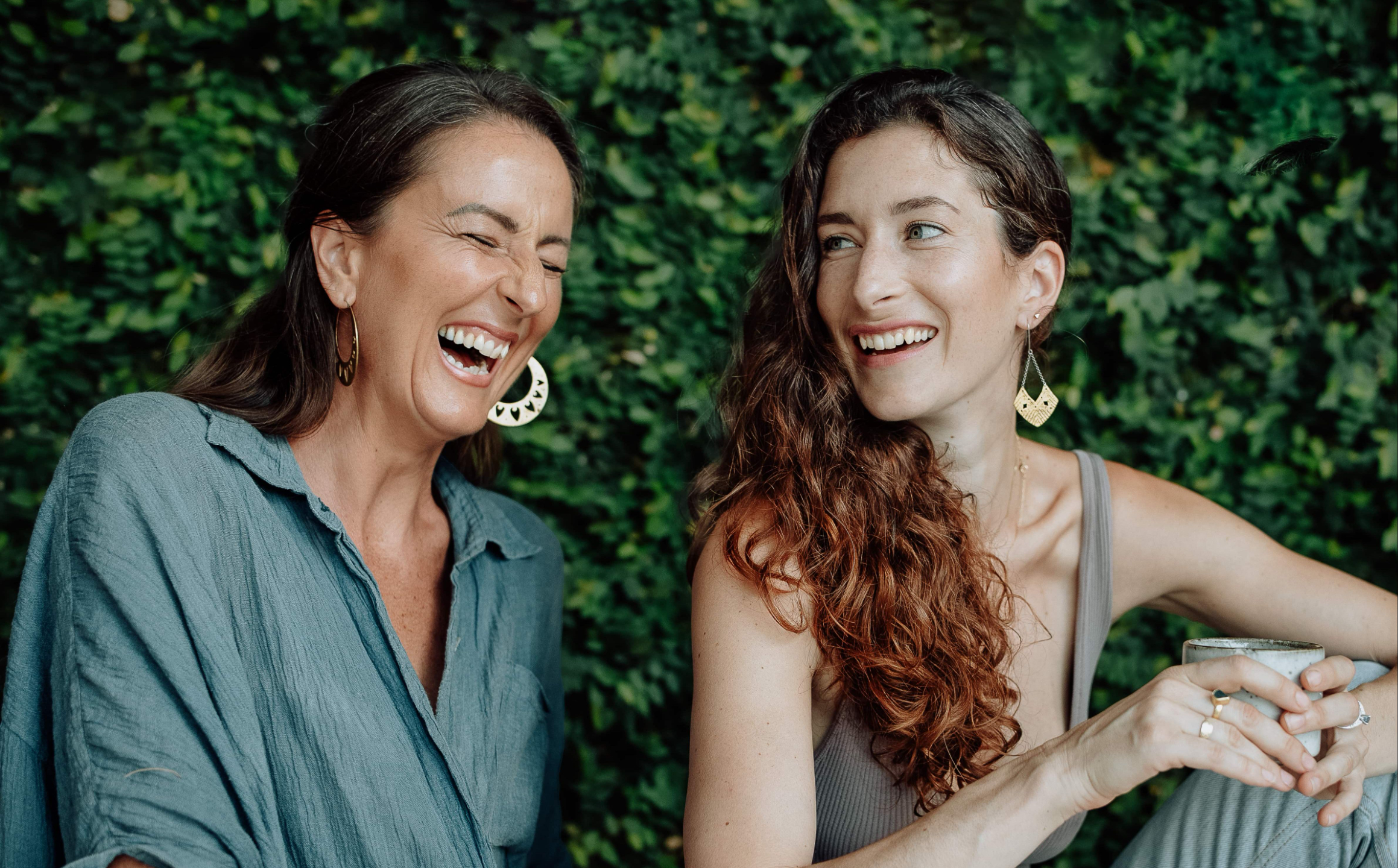
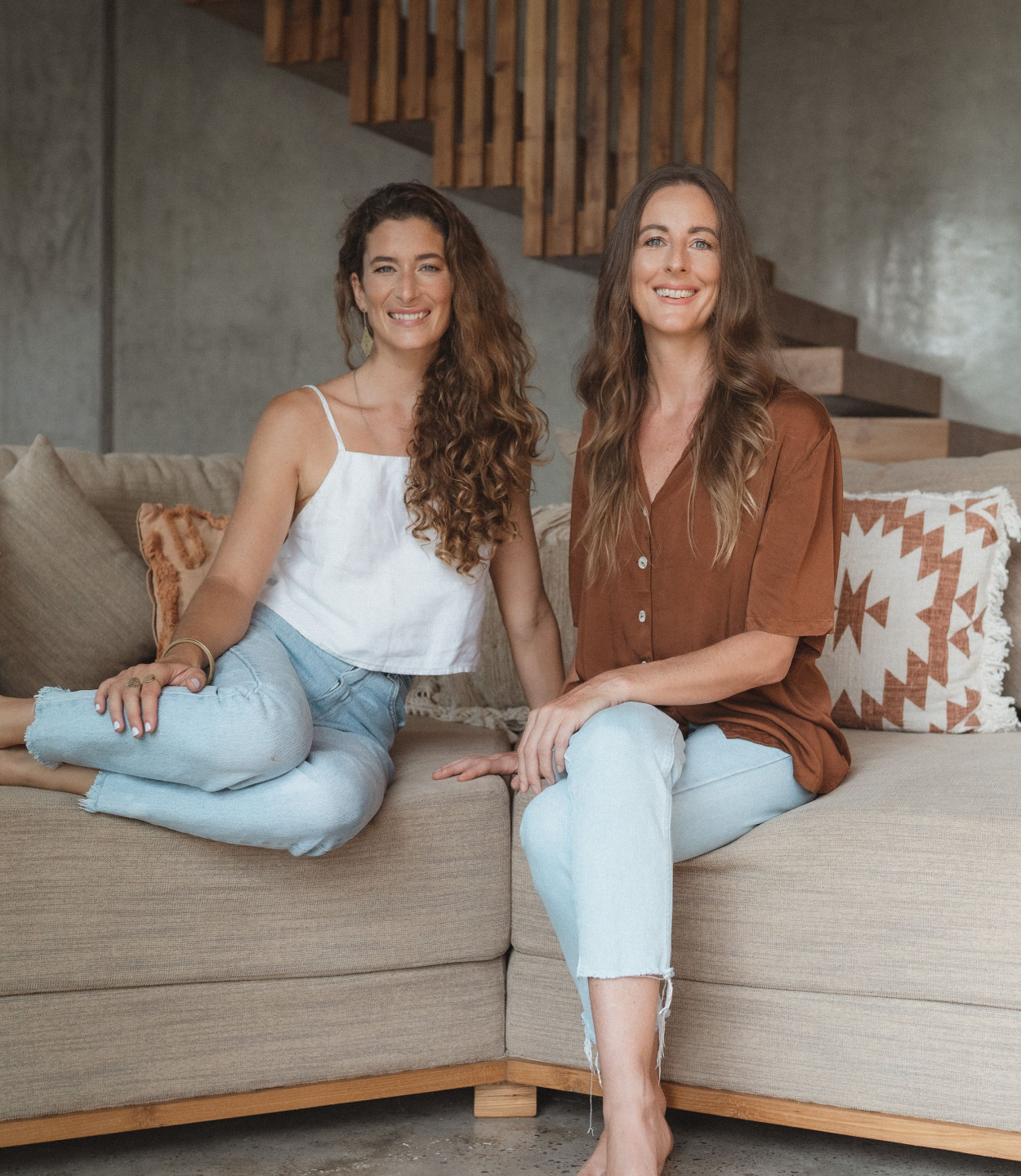
We're Rachel & Lucy, two teachers and two mums, co-founders of The Whole Health Project. Between us we've taught yoga, breathwork and meditation around the world, and built a thriving online training school, training thousands of students in breathwork, meditation, yin and somatics to hold this work safely. We're also the published authors of Somatic Practices for Trauma.
Read our full story on the About Us page →Our certified graduates get listed in our Find a Practitioner directory →
You already know the body holds what talking can’t reach
You’ve felt it, in your clients and in yourself. The only question is whether you learn to meet it, safely and well, without putting your life on hold to do it.
That’s what’s waiting here, along with a community of grounded, trauma-aware facilitators doing this work alongside you. We’d love for you to join us.